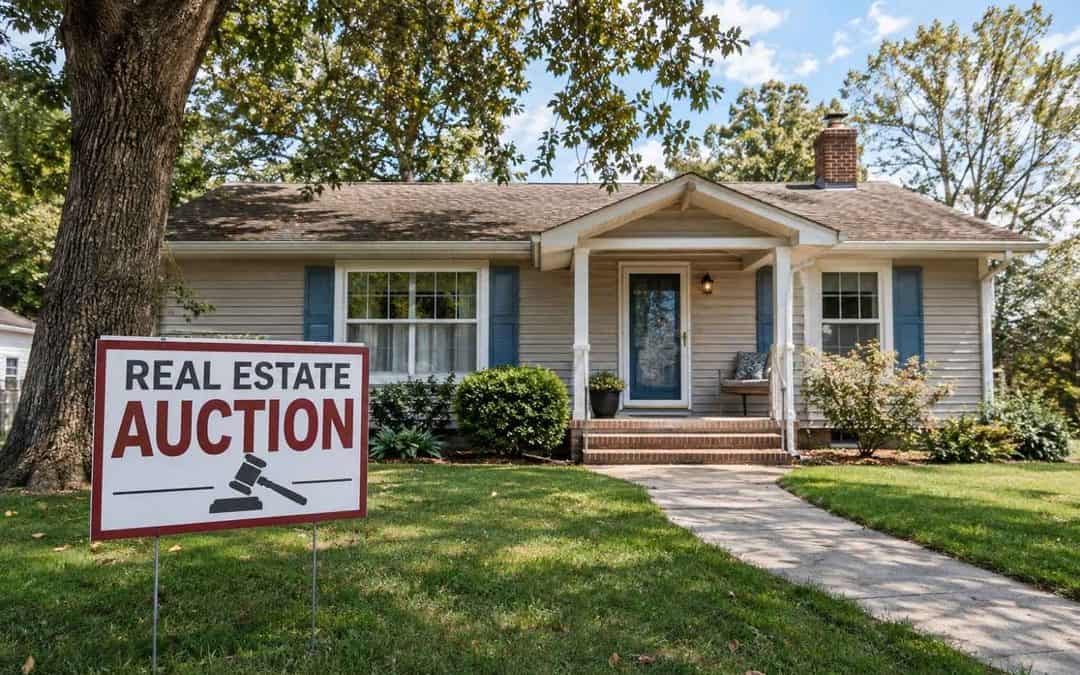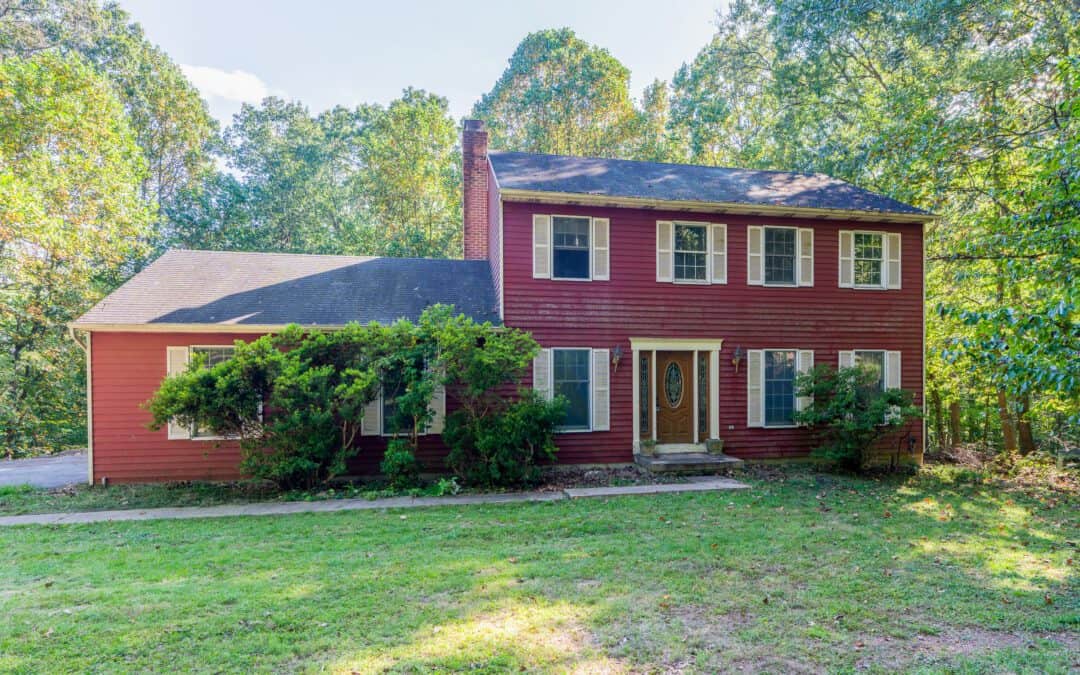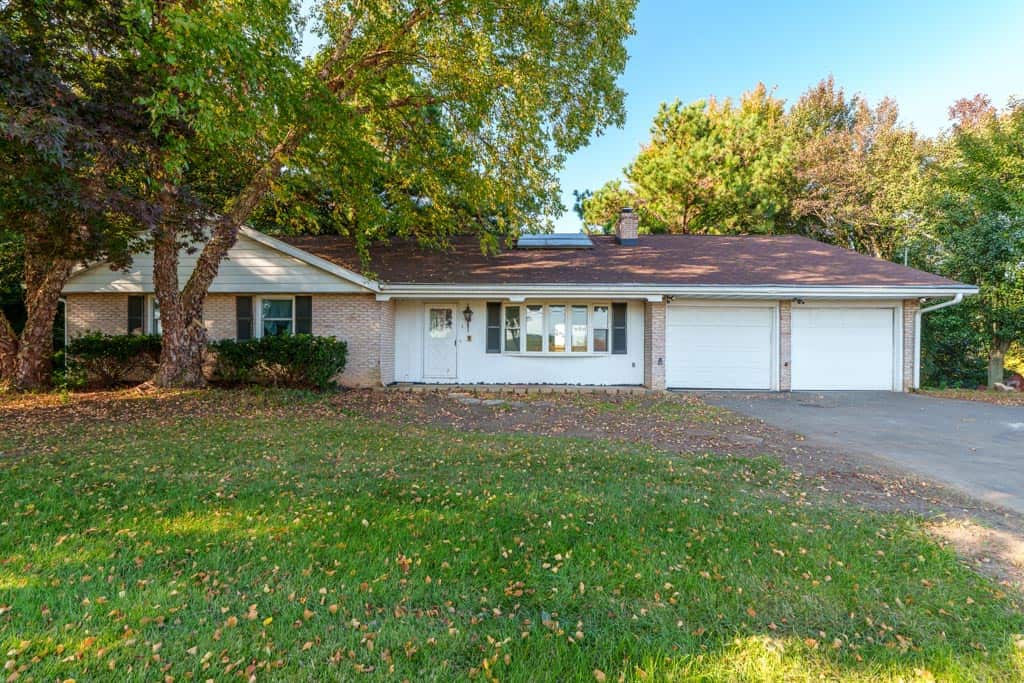

Deciding how to sell your home is one of the biggest financial choices you’ll make. Most sellers weigh two paths: listing with a Realtor® and waiting for the right offer, or going to auction, where you choose the sale date, and buyers compete openly for your property. Both methods work well in the right circumstances, and understanding the differences helps you decide with confidence.
Our family has connected buyers and sellers across Central Pennsylvania since 1960, and today the H.K. Keller team includes licensed real estate professionals and licensed auctioneers. Because we handle auctions and traditional listings alike, we can give you an honest look at both. This guide walks you through how each process works, compares them side by side, and explains when an auction, a listing, or a combination of the two will serve you best.
How Does Selling a House at Auction Work?
Selling a house at auction means setting a firm sale date, marketing your property to qualified buyers, and letting them compete openly to set the final price. Most homes need five to eight weeks between signing with us and auction day, which gives your property time to reach a wide audience. Here’s what the process looks like:
- Consultation: We review your property and goals, then recommend an auction, a traditional listing, or a combination of the two.
- Sale Date: You and our team choose a target date that fits your timeline.
- Marketing: We promote your property widely and directly to interested buyers.
- Bidding: Pre-qualified buyers can submit online prebids ahead of time, then compete in person or in real time from a phone, tablet, or computer during the event.
- Closing: Most properties close within 45 days, and you decide the settlement timeframe in your terms of sale.
What Are Absolute, Reserve, and Minimum Bid Auctions?
- Absolute Auction: Your property sells to the highest bidder regardless of price.
- Reserve Auction: You set a minimum acceptable price. If bidding falls short, you can decline the sale or choose to accept the top offer.
- Minimum Bid Auction: Bidding opens at a set starting amount, so you know the floor before the event begins.
How Selling With a Realtor Works
A traditional sale is the approach most people know. Your agent helps you prepare the home, list it on the MLS, host showings and open houses, negotiate offers, and guide you through inspections, financing, and closing. It’s a proven path that works especially well when your timeline is flexible, and your property fits neatly within local market comparisons.
Selling a House at Auction vs. With a Realtor
Here’s how the two approaches compare across the factors sellers ask us about most. Each row reflects what we see in our own real estate and auction sales.
| Factor | Auction | Realtor Sale |
| Timeline to Closing | 30 to 45 days after auction day | 30 to 45 days after a signed agreement |
| Buyer Competition | Real-time bidding where price is the deciding factor | Offers compared on price, contingencies, and terms |
| Sale Certainty | Binding agreement signed on auction day with a non-refundable down payment | Agreement may include inspection and financing contingencies |
| Pricing | Set by competitive bidding | Set by the seller with guidance from the agent |
| Transparency | Bids are visible to all participants | Offers are typically kept private |
| Terms | Published in advance | Negotiated with each buyer |
A Real Estate Auction Lets You Set the Sale Date
When you sell at auction, your sale has a firm date on the calendar from the very beginning. That certainty matters if you’re settling an estate, relocating for work, or managing a property you no longer live in. With closing typically 30 to 45 days after the auction, you can plan your move and finances with confidence and know exactly how long you’ll be carrying taxes, utilities, and insurance on the home.
How Competitive Bidding Determines Your Home’s Market Value
Pricing a home is part research and part educated guess, especially when your property has few recent comparable sales. At auction, qualified buyers bid against one another in real time, and each bid is visible to all participants, so the final price reflects what the market will pay for your home on that day. Because the terms, closing date, and other requirements are published in advance, buyers arrive prepared to place their best bid. The agreement signed on auction day is binding and backed by a non-refundable down payment.
Can a Property Sell Before It Goes to Auction?
Yes, and we see it often. Many of our real estate sellers accept pre-auction offers, which gives a motivated buyer the chance to secure your property early. This hybrid approach lets you keep your scheduled date as a backstop while staying open to a strong offer that meets your goals.
Fewer Showings When You Auction Your Home
An auction condenses showings into a few scheduled preview times, so you only need your home ready for buyers on specific dates. That leaves the rest of your schedule your own. This structure also works well if you’ve already moved. One of our sellers had relocated out of state before the sale, and we handled everything electronically, down to a detailed list of every item sold and its final price.
What Types of Houses Sell Best at Auction?
Homes that are hard to price, need repairs, or must sell on a firm timeline tend to perform best at auction, a pattern we’ve seen for decades. Your property may be a strong candidate if it falls into one of these categories:
- Inherited and Estate Properties: As an executor, you gain a clear timeline and a transparent, documented sale that’s easy to report to heirs and attorneys.
- Homes That Need Work: Many auction properties sell as-is, so you can skip costly repairs and updates before the sale.
- Unique or Historic Homes: When architecture, historic character, or limited comparables make your property hard to price, competitive bidding lets the market decide.
- Investment and Rental Properties: Auctions attract cash-ready investors, making them a practical option for rentals and renovated properties you want to sell efficiently.
- Land and Multiple Parcels: A multi-par auction offers farmland, acreage, and individual lots separately and as a package, so you can see which arrangement brings the strongest result. We’ve used this method for properties like a historic 1816 home in Gardners, giving bidders the option of either parcel or both.
- Relocation and Divorce Sales: A firm deadline and a market-driven result help you move forward quickly and can reduce disagreements over list price.
Selling a House and Its Contents at Auction
You may need to sell more than the house itself. Furniture, collectibles, tools, vehicles, and household items often need new owners too, especially after the loss of a loved one or a move to a smaller space. Our team can auction your real estate and personal property together, cataloging each item, marketing everything to buyers, and handling the details so you aren’t coordinating several companies at once.
How Real Estate Auction Marketing Reaches More Buyers
A successful sale depends on reaching the right audience, and our team builds a custom campaign for every property we represent. Your home is promoted through:
- Google and Facebook advertising
- Real estate websites and our online bidding platform
- Email and text alerts to registered buyers and investors
- On-site signage and direct mail
Online and simulcast bidding opens your sale to buyers across the country, expanding your pool well beyond Lancaster County. In our experience, those buyers include first-time homeowners, families upsizing or downsizing, investors, and commercial developers.
When a Traditional Real Estate Listing Makes More Sense
Because our team includes licensed Realtors®, we’ll recommend the method that serves your goals, even when that means a traditional listing. A listing can be a strong choice when your home is move-in ready, priced in line with recent sales, and you have flexibility on timing. You can also start with a listing and move to auction later, or schedule an auction while accepting pre-auction offers to reach more buyers.
Talk to a Lancaster County Real Estate Auction Expert
Your property and your situation are unique, and the right selling strategy should reflect both. Our team is licensed in Pennsylvania for both auctions and real estate brokerage, and we’re proud members of the National Auctioneers Association. We’ll help you choose between an auction, a traditional listing, or a hybrid of the two with confidence. Call our Lancaster office at 717-879-0110 or reach out online to schedule your free, no-obligation consultation.
Frequently Asked Questions
Why would a house be sold at auction?
You might choose an auction when you want a set sale date, competitive bidding, and a clear path to closing. It’s especially common for estates, inherited homes, properties sold as-is, and unique homes that are difficult to price.
Will you get less money if you sell at auction?
Not necessarily. Competitive bidding often produces sale prices that meet or exceed market value, and you may also avoid holding costs, repair credits, and prolonged negotiations.
Can you set a minimum price for your property at auction?
Yes. With a reserve auction, you set a minimum acceptable price, and you’re not obligated to sell if bidding doesn’t reach it.
Are only foreclosures sold at auction?
No. Today, auctions are used for a wide range of properties, including high-end homes, land parcels, investment properties, and commercial buildings.
Who buys homes at auction?
Auction buyers include first-time homebuyers, families looking to upgrade or downsize, real estate investors, and commercial developers. Our marketing is designed to put your property in front of all of them.
How long does it take to sell a home through auction?
Most homes need five to eight weeks from contract signing to auction day, allowing time for marketing and previews. Closing typically follows 30 to 45 days after the auction, sometimes sooner.
Is an auction a good option for selling a house during a divorce?
It can be. An auction gives you a market-driven price and a firm timeline, which can help you and your former spouse agree on the outcome and move forward. We recommend reviewing this approach with your attorney as well.
Can a Realtor still be paid when a property sells at auction?
Yes. Real estate agents can refer or represent sellers and buyers through our Realtor® partnership program while preserving their commission. Your agent stays involved with you, and our team provides the auction expertise.
Do you have to make repairs before auctioning a house?
In most cases, no. Many properties sell as-is at auction, and buyers factor your home’s condition into their bids after touring it during previews.