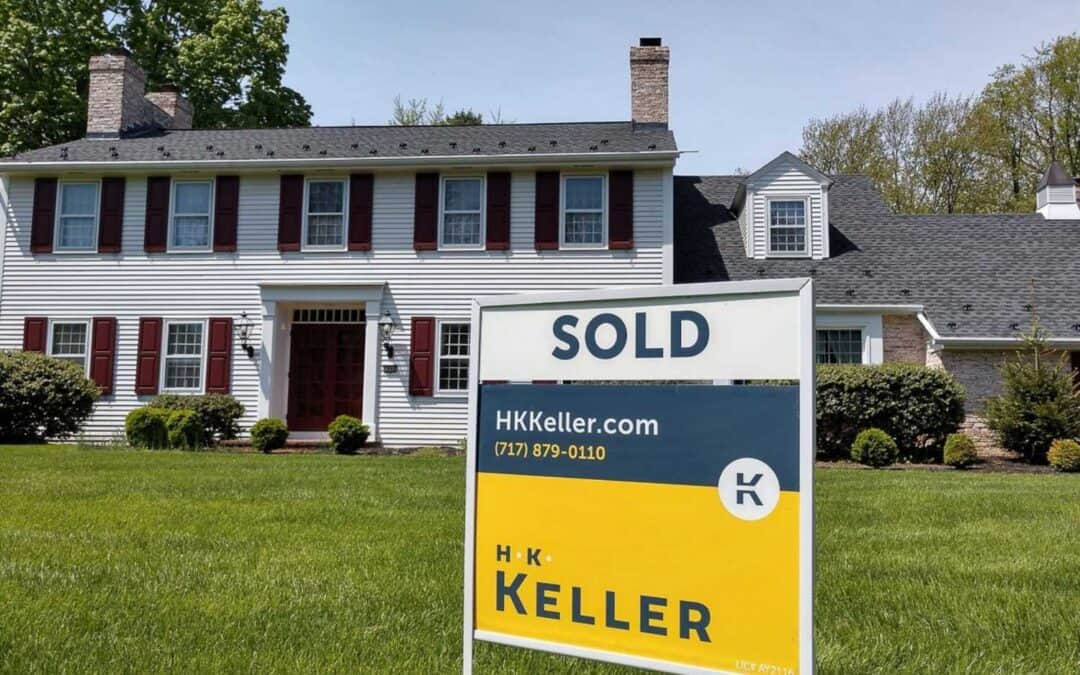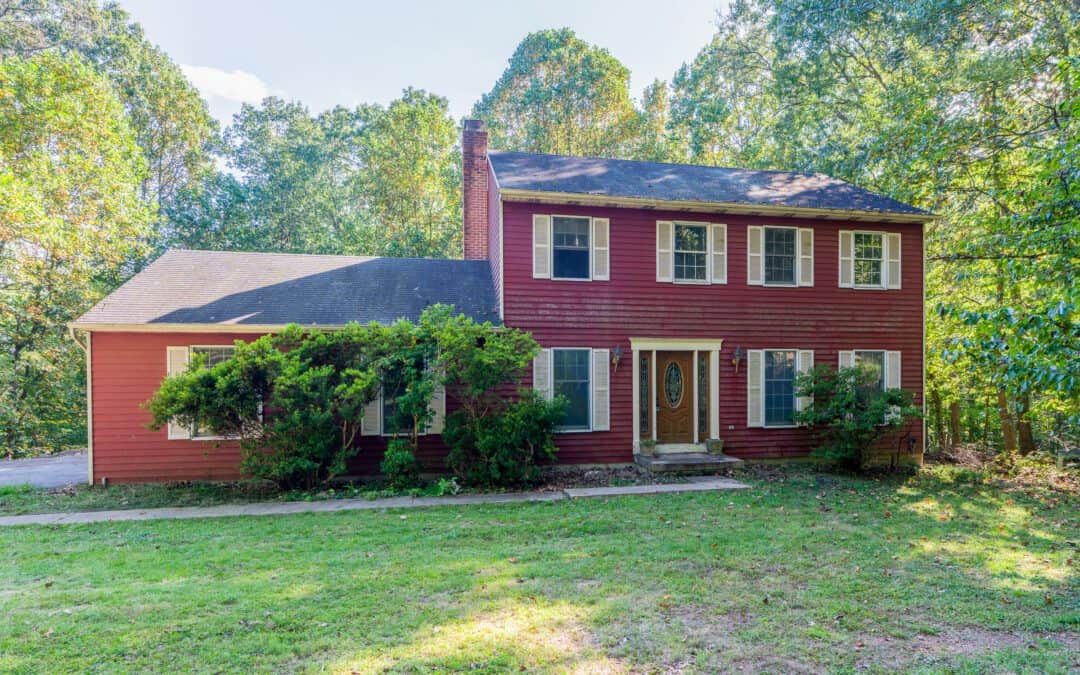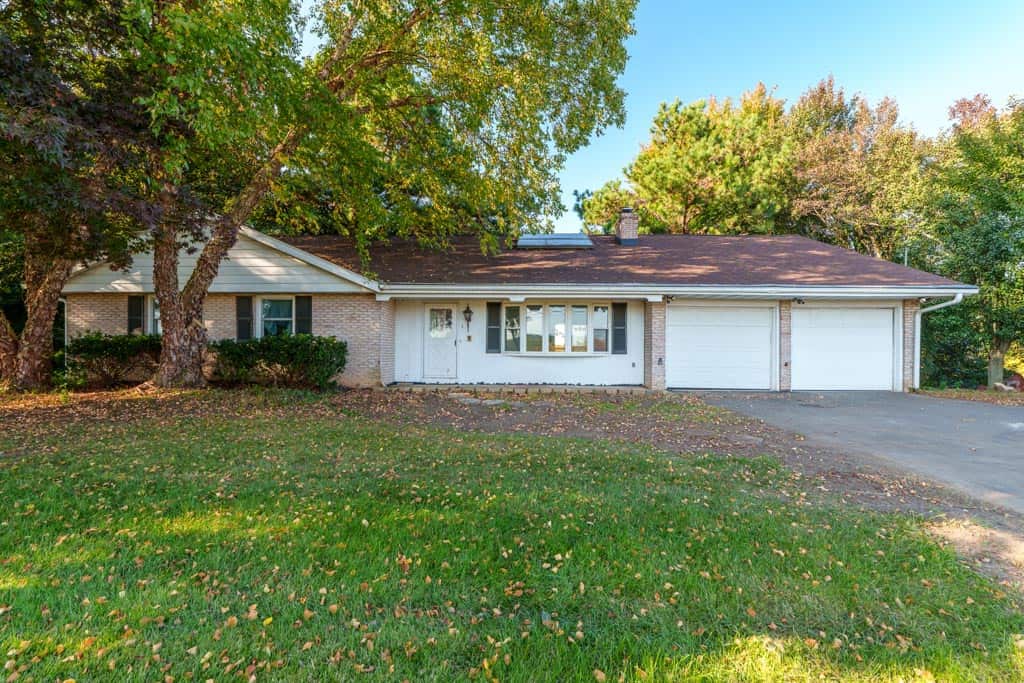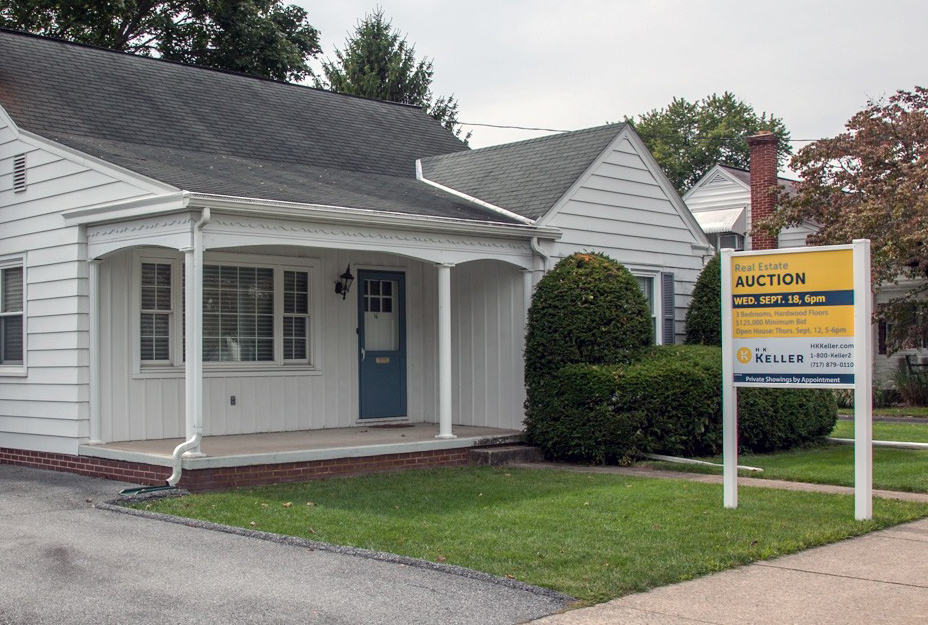


Most people hear “real estate auction” and immediately think foreclosure. Distressed property. Someone’s bad luck.
They’re missing the bigger picture.
More homeowners are choosing auctions as a smart, strategic way to sell. At H.K. Keller, we’ve seen firsthand why auctions often outperform traditional sales, thanks in part to our Auction Advantage™, which brings sellers qualified buyers, efficient processes, and superior results. Here are the top reasons people choose auctions:
Quick Reference: Auction vs. Traditional Sale
| Factor | Traditional Sale | Real Estate Auction |
| Negotiations | Negotiations before and after agreement is signed | No Negotiations |
| Price Discovery | Negotiation down from asking | Competitive bidding up |
| Repairs | Often required after inspection | Sold as-is, no repairs |
| Date Certainty | Uncertain agreement and settlement dates | Definite auction and settlement dates |
| Marketing | Hope for online discovery | Targeted buyer marketing |
| Best For | Well-defined valuation | Unique properties with unknown value |
Now let’s dive into the specific reasons why auctions work so well.
Benefits of Selling Your Property at Auction: Timeline Certainty
Traditional listings? Your house could sit for three months. Maybe six. Sellers get stuck in limbo, making mortgage payments and wondering if today’s the day someone makes an offer. The uncertainty can be emotionally draining.
Auctions give you a date. Mark your calendar. Plan your move. Done.
There’s something powerful about knowing when your property will be sold. You can book the moving truck, start house hunting in your new town or city, or finally clean out that storage unit. The psychological relief alone is worth considering.
Real Estate Auction vs Traditional Sale: Bidding Competition
Here’s what’s compelling about auctions: instead of negotiating down from your asking price, buyers compete against each other to bid higher. When you’ve got multiple people who want the same thing, prices rise. Sometimes well above what you’d get through a traditional sale.
Bidding wars can push final prices 15-20% over estimated values. Why? Because auctions create genuine urgency. Buyers know they can’t come back next week with a better offer. It’s now or never, and that changes everything.
The marketing leading up to auction day builds momentum too. Interested buyers tour the property, do their research, and show up ready to compete. You’re not hoping someone stumbles across your listing online. You’ve got a room full of qualified, motivated buyers.
Sell Your Home As-Is Without Repairs
Auctions typically sell properties as-is. No inspector’s report leading to a $15,000 repair demand. No buyer backing out because the HVAC system is older than their mortgage approval. You sell what you have, period.
This is especially valuable for inherited properties or homes that need work. Instead of spending months and thousands of dollars getting everything “market-ready,” you let buyers factor those considerations into their bids. Someone who sees potential will pay accordingly.
Real Estate Listing vs Auction Sale Process
The auction process is completely transparent. Every bidder sees what others are offering. The highest bid wins, fair and square. No behind-the-scenes negotiations or wondering if another offer came in at the last minute.
This transparency builds trust with buyers. They know they’re competing on a level playing field, which often brings more serious participants to the table. When buyers trust the process, they’re willing to bid more aggressively.
Best Option for Unique and Hard-to-Price Properties
Got a historic farmhouse that’s been in the family for generations? A lakefront cabin with unusual design features? A commercial property with incredible potential? Properties that are hard to price often shine at auction because competitive bidding reveals their true value.
Traditional appraisals struggle with unique properties. How do you find comparable real estate for a restored 1800s mill or a house with a professional recording studio? What about an old church converted into a home? Auctions let the market decide, and the market is often more generous than you’d expect.
One recent auction featured a property with an unusual layout, bank barn, and a few acres. At auction, two buyers who specifically wanted that exact configuration drove the price above the original listing price.
Fast Home Sale for Estate and Life Transitions
Many sellers are dealing with major transitions. Maybe they’re settling a parent’s estate and live three states away. Relocating for work with just 60 days’ notice. Downsizing after retirement and ready to simplify everything.
When you need to sell quickly and efficiently, auctions deliver results without the endless showing schedule, weekend open houses, and hopes that someone will submit an offer. You can focus on the rest of your transition instead of managing a drawn-out sales process.
Estate situations particularly benefit from auctions. Multiple heirs can see exactly what the property brings, eliminating questions about whether they got the best possible price. The process is definitive and fair to everyone involved.
Alternative When Traditional Real Estate Marketing Fails
Sometimes a property just isn’t connecting with buyers through conventional methods. Maybe it’s been on the market too long and feels stale. Maybe the price point puts it in an awkward middle ground between buyer segments.
Auctions can breathe new life into these situations. Innovative marketing, a definitive sale date, and competitive bidding often generate interest from buyers who passed on the property during its traditional listing period.
When to Sell a House at Auction: Finding the Right Fit
Not every property warrants auction. Some houses do better with traditional marketing, especially in hot markets where multiple offers are already common. That’s why H.K. Keller starts every conversation by understanding specific goals and timelines.
Do you need the certainty of a sale date more than you need to maximize every possible dollar? Are there unique aspects of your property that might appeal to specialized buyers? Do you think your property will sell better at auction or a listing, and why?
These are the kinds of questions worth exploring together. Auction isn’t about settling for less. It’s about choosing the right strategy for your specific circumstances.
Should You Sell Your House at Auction?
If you’re hesitant of the uncertainty and delays of conventional real estate, an auction might be exactly what you need. The process is clearer, more transparent, and often more profitable than people assume.
Ready to explore your options? Contact H.K. Keller to discuss what matters most to you and find the right path forward. Since we are licensed to sell both by auction and traditionally, we’ll give you our honest thoughts and recommendations.
Frequently Asked Questions on Selling a Home at Auction
What if the bidding doesn’t reach my minimum price?
Most auctions are structured with reserve prices, which means the property won’t sell below your predetermined minimum. If bidding doesn’t reach the reserve, you’re not obligated to sell. With this in mind, it’s important to set a realistic reserve based on market analysis in order to maximize the likelihood of the reserve being met.
How long does the auction process take from start to finish?
The typical auction timeline runs 4-6 weeks from signing the listing agreement to auction day. This includes property preparation, marketing, and the auction event itself. After the auction happens, the buyer typically has up to 45 days to settle, however this is a term that you get to set based on your needs. Compare that to traditional listings.
Do auction buyers actually pay fair market value?
When properly marketed, auction properties often sell at or above fair market value. The competitive environment and urgency factor can drive prices higher than traditional sales. However, results depend on effective marketing, realistic expectations, and market conditions at the time of sale.
What are the costs involved in selling at auction?
Auction companies typically charge a commission and sometimes a marketing fee. These fee structures may differ depending on the auction company, property value and amount of marketing needed. Some companies charge the seller, others charge the buyer, and some split the cost. At H.K. Keller, our commission is covered by the buyer through a buyer’s premium. This means that when the auctioneer says ‘sold,’ you as the seller receive the full price announced, without deductions. It’s important to understand all fees upfront before committing to an auction company.
Can I still live in my house during the auction process?
Absolutely. Most sellers continue living in their homes throughout the auction marketing period and after the auction takes place. You’ll need to accommodate property showings and inspections, similar to a traditional listing, but you won’t need to move until closer to settlement day, typically 30-45 days after auction day.